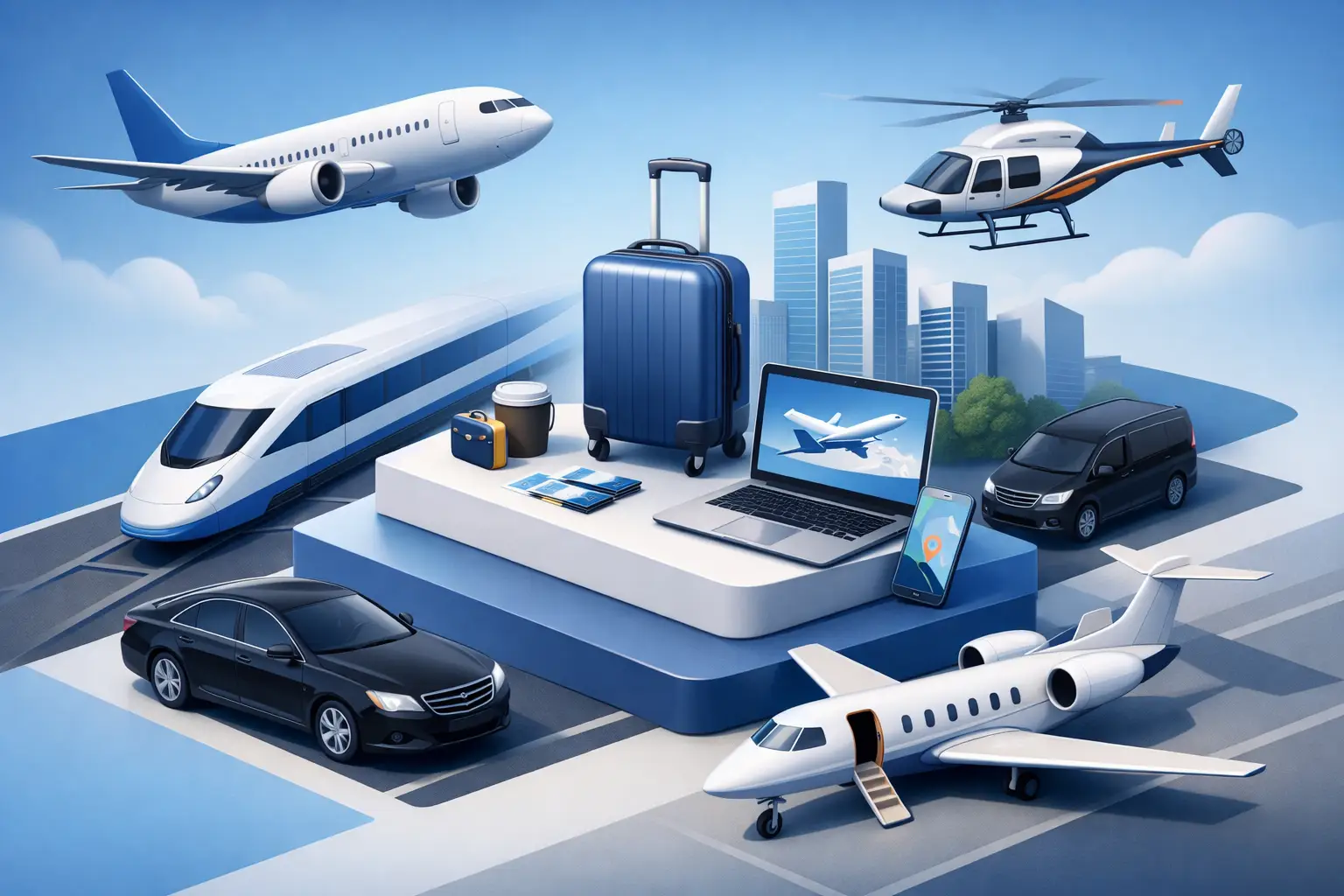
A missed meeting rarely happens because the journey looked difficult on paper. It usually happens because one small part of the plan went wrong - the train was delayed, parking took longer than expected, the airport pickup did not appear, or the connection left no room for real traffic conditions. That is why choosing the best business travel transport options is less about price alone and more about reliability, timing and how much uncertainty your journey can tolerate.
For business travellers in Crawley, Horley, Charlwood, Copthorne and the wider Gatwick area, the right choice often depends on distance, schedule pressure, luggage, and whether the trip starts or ends at an airport. A transport option that works perfectly for a London day meeting may be the wrong fit for a 5 am airport departure or a client visit involving equipment and tight timings.
What makes the best business travel transport options?
Business travel has different standards from leisure travel. You are not only trying to get from A to B. You need to arrive on time, prepared, and without spending the first ten minutes of the meeting apologising for the journey.
The best option usually balances five things: punctuality, predictability, comfort, cost control and flexibility. Predictability matters more than many travellers expect. A fixed fare, a pre-booked collection time and a driver who knows the local roads around Gatwick, Manor Royal, Crawley town centre and surrounding routes can be more valuable than a cheaper option with more moving parts.
That does not mean one mode of transport always wins. It means the best choice changes with the job.
Executive taxis and private hire for business travel
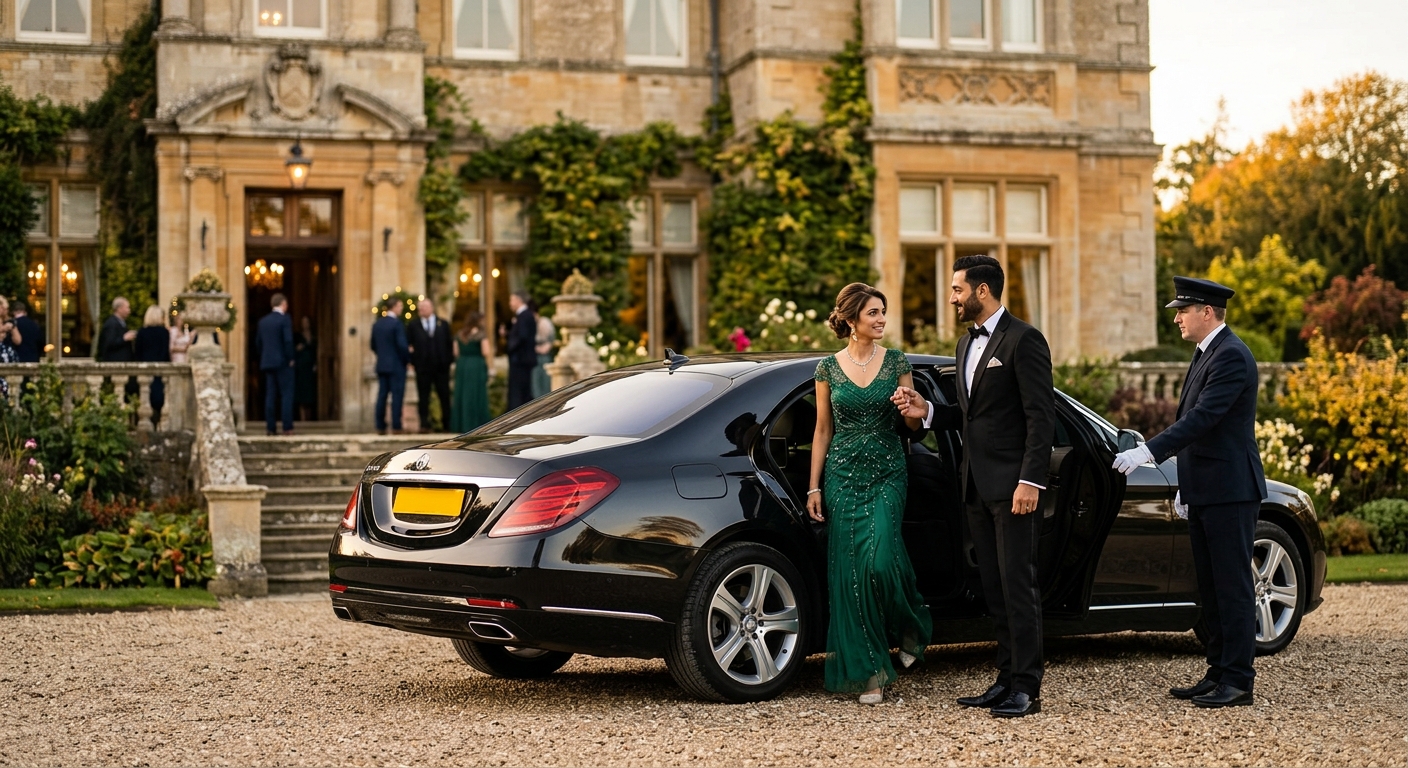
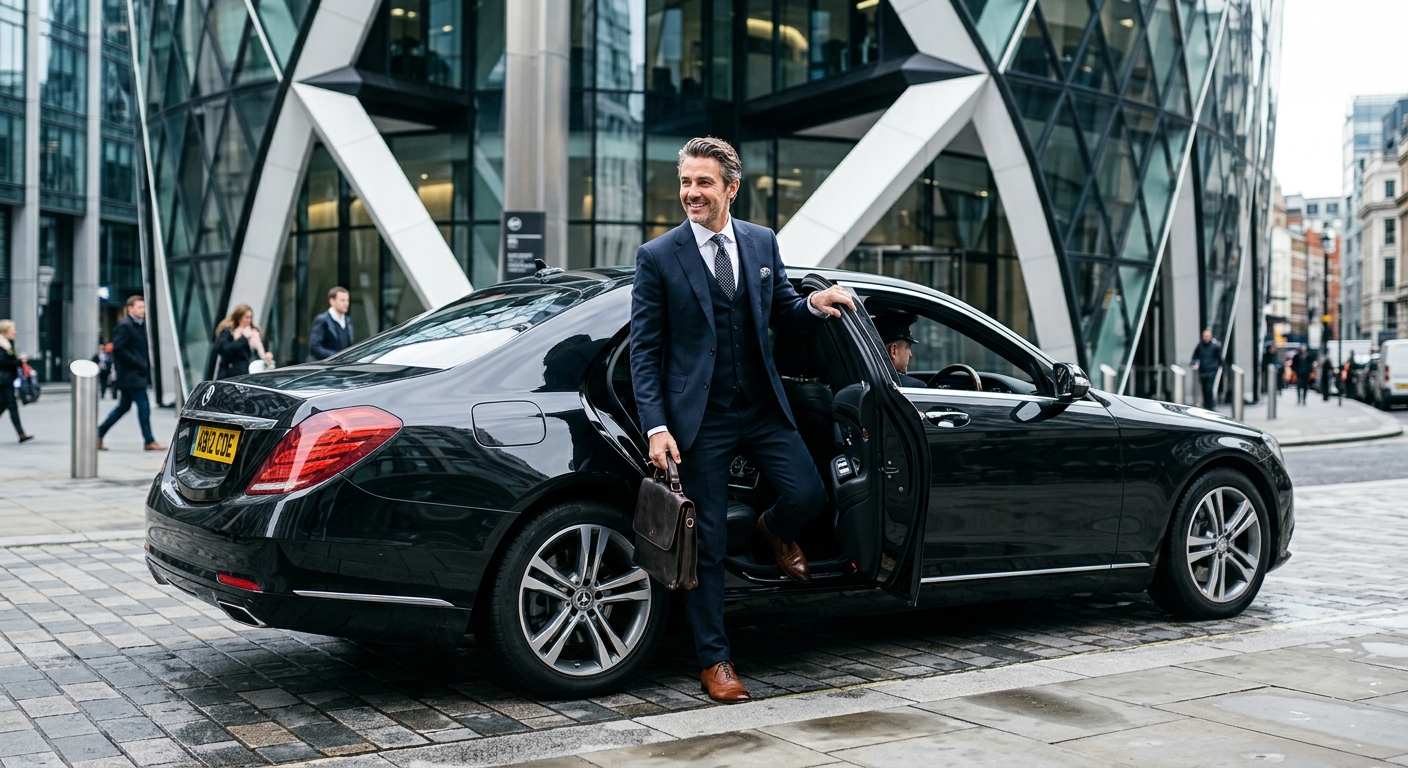
For many corporate journeys, private hire is one of the strongest all-round choices. It works particularly well for airport runs, early starts, late finishes, station transfers and meetings where timing matters more than shaving a few pounds off the fare.
The biggest advantage is control. A pre-booked executive taxi gives you door-to-door travel, fixed pricing and no need to factor in parking, route planning or the final leg from station to office. If your day starts in Crawley and ends with a return from Gatwick or Heathrow, that simplicity matters.
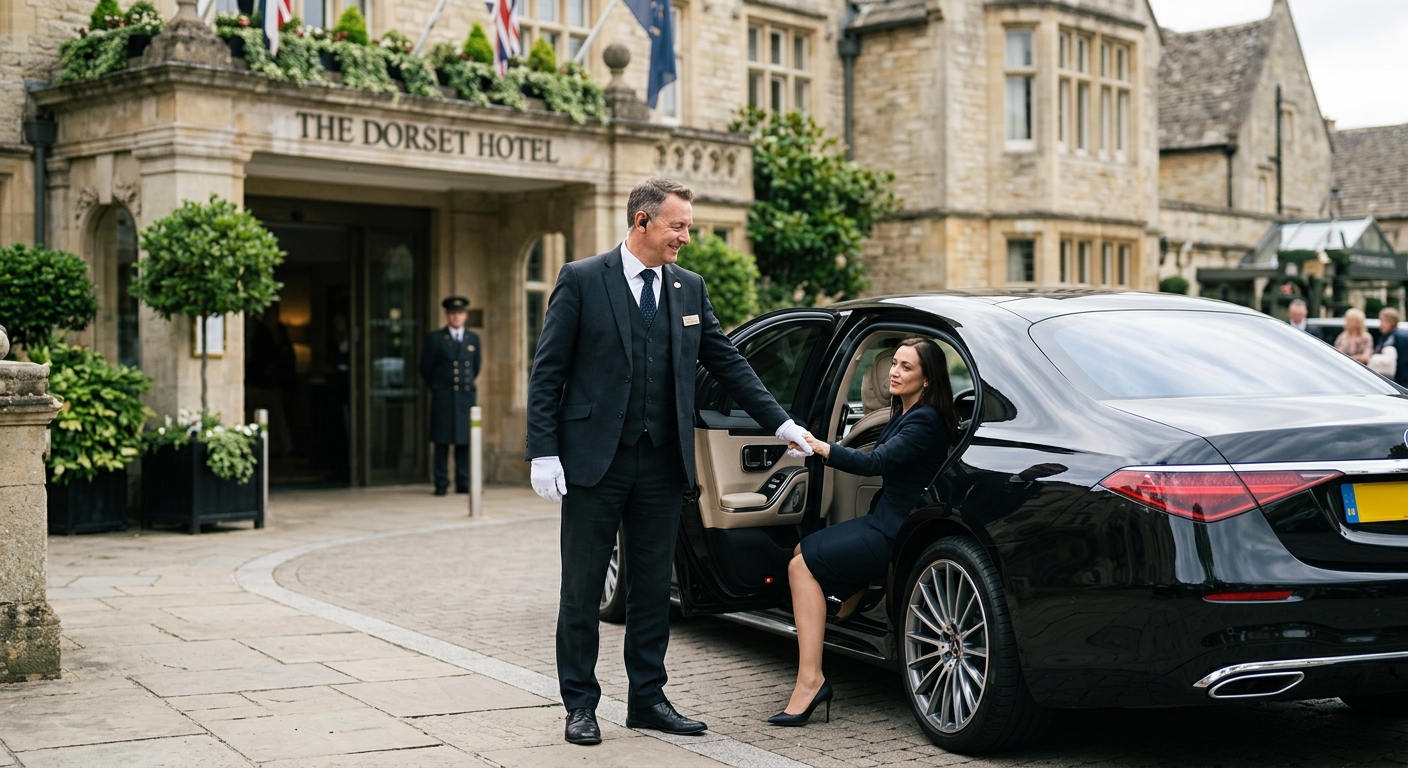
Private hire also suits travellers carrying presentation materials, overnight bags or work equipment. You stay with your luggage, avoid platform changes and can work or make calls during the journey. For airport travel, flight monitoring and meet-and-greet support reduce the risk of problems when flights are delayed or arrivals shift.
The trade-off is cost. For a single traveller on a straightforward route with good rail links, a taxi may cost more than the train. But when delays, parking fees, or multiple travellers are involved, the gap often narrows quickly.
Trains for city-centre business travel
Rail remains a strong option for business trips into central London and other major urban locations. If your destination is close to the station and you are travelling during a period when services are running well, the train can be efficient and productive. You can answer emails, review documents and avoid motorway congestion.
This works best when your schedule has some tolerance built in. Trains are less forgiving when cancellations, strikes or engineering works affect the route. Even minor delays can create problems if your final destination still requires a taxi, tube or a walk.
For business travellers near Gatwick, rail can be useful for direct city journeys, but it is often less convenient for multi-stop itineraries, off-peak return times or destinations outside main station corridors. If you need to visit a business park, hotel, client office and then return to the airport, rail can quickly become fragmented.
Driving yourself and using long-stay parking
Self-driving appeals to some business travellers because it feels flexible. You set your own departure time, carry what you need and are not tied to another service. For local or regional meetings with easy parking, it can be practical.
The problem is that driving often transfers risk back to you. Traffic around Gatwick, the M23, M25 and surrounding roads can be unpredictable, especially during peak hours, roadworks or poor weather. Add airport parking charges, fuel, drop-off fees and the time needed to park and walk, and the convenience starts to look less clear.
Driving yourself also makes less sense if you need to arrive fresh for a long meeting, take calls en route, or head straight from one appointment to another. For frequent flyers, long-stay parking may appear cheaper at first glance, but repeated use can become expensive and tiring.