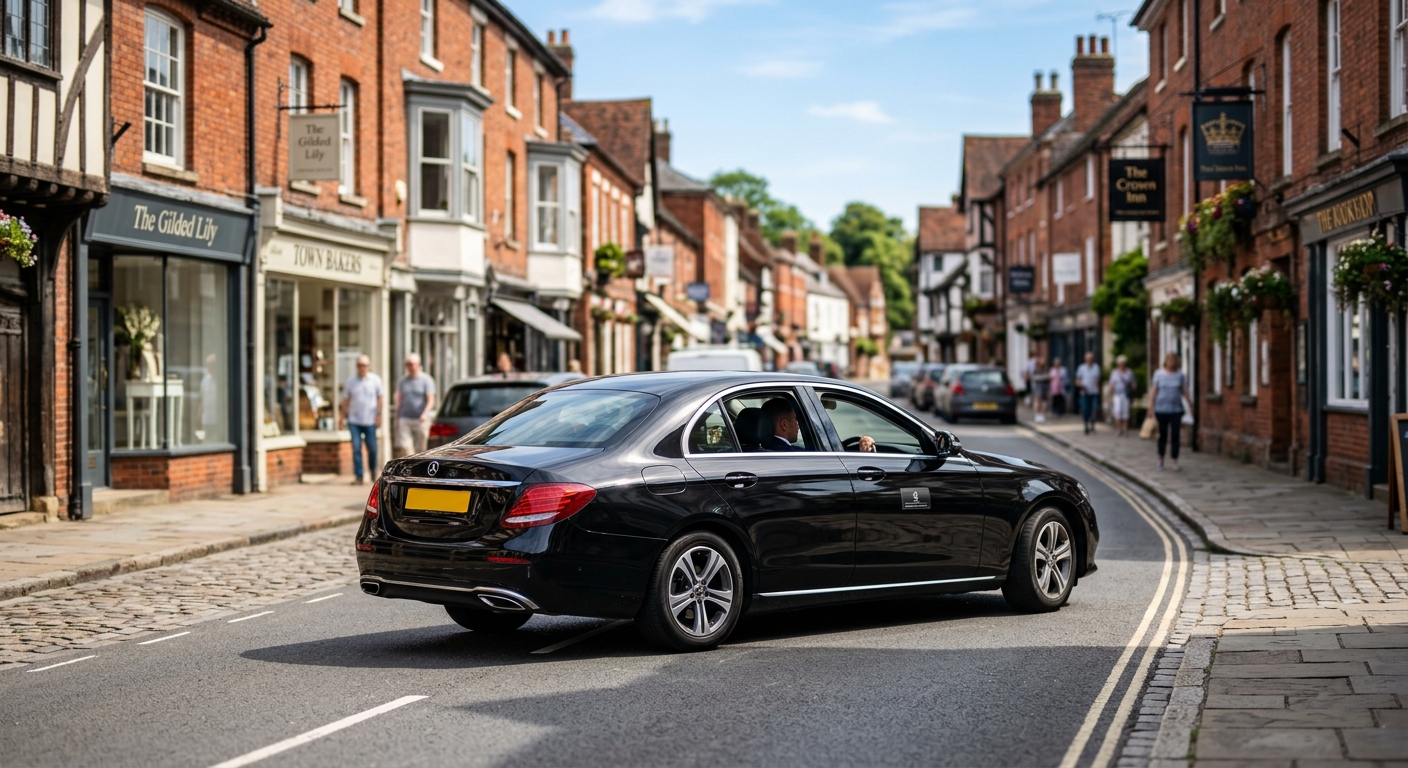

A delayed inbound flight, a last-minute meeting in central London and an employee carrying presentation equipment can turn a straightforward journey into a costly problem. Current corporate travel trends show that businesses are placing greater value on certainty at every stage of the trip - particularly around Gatwick, where road conditions, flight changes and tight schedules all matter.
For companies in Crawley, Horley, Copthorne, Charlwood and the wider Gatwick area, business transport is no longer simply about getting from A to B. It is about protecting staff time, presenting a professional image and knowing the agreed fare will not change because traffic has built up on the M23.
Corporate travel trends are moving towards certainty
Business travellers still want speed and comfort, but the strongest shift is towards dependable planning. Employees want to know who is collecting them, when the driver will arrive and what happens if their flight lands early or late. Travel managers need the same reassurance, with clear booking details and a provider that can respond outside standard office hours.
This is why pre-booked private hire is becoming more attractive than relying on availability at the kerb or asking staff to manage multiple travel apps. A confirmed vehicle, fixed price and scheduled collection remove several points of uncertainty at once. For an early Gatwick departure or an evening arrival at Heathrow, that reassurance can be more valuable than saving a small amount on the initial quote.
The trade-off is that planned travel requires advance notice where possible. Yet even when plans change, an established local operator with 24/7 coverage is better placed to help than a service with no connection to the area or no knowledge of local diversion routes.
Flight tracking is now part of the expected service
Airport travel has changed most visibly. Corporate passengers do not want to call a driver from the baggage hall to explain that their aircraft was held on the ground for 40 minutes. They expect the collection to reflect the real arrival time, not just the original timetable.
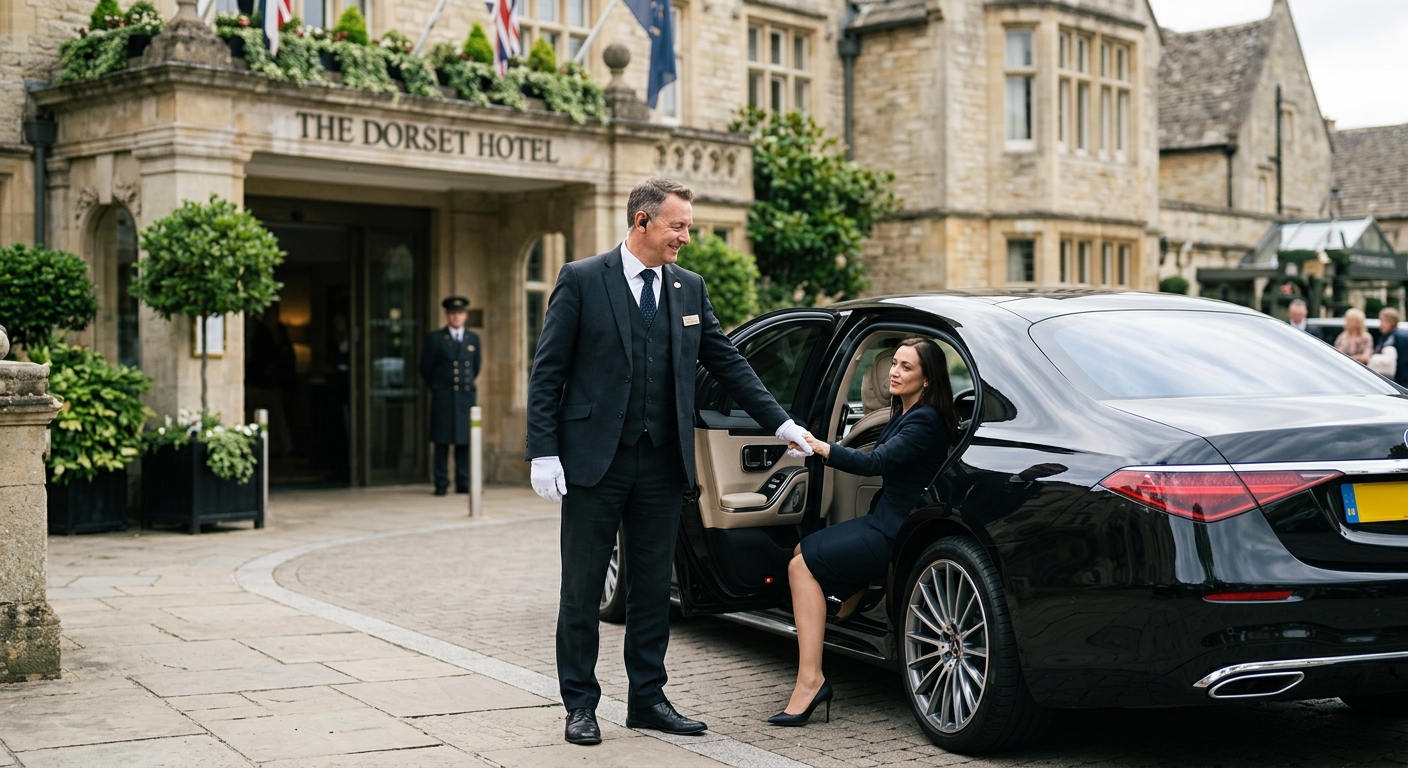
Live flight monitoring supports this expectation. It allows the driver and booking team to prepare for an early landing, a delay or a changed arrival time, while meet-and-greet service gives visiting colleagues and clients a clear point of contact inside the terminal. This is particularly useful for first-time visitors to Gatwick, overseas guests and senior staff travelling with luggage or important documents.
It does not eliminate every delay. Border queues, baggage delays and terminal congestion can still affect the final collection time. However, flight tracking gives the journey a far stronger starting point than a fixed assumption based solely on the scheduled landing.
Executive travel is becoming more practical
There will always be a place for chauffeur-driven executive vehicles when a business is collecting a client, attending an event or transporting senior leadership. But executive corporate travel is increasingly judged on practical details rather than appearance alone.
A clean, comfortable vehicle matters. So do a licenced driver, punctual arrival, sensible route planning and enough room for passengers, cases and work equipment. A quiet, reliable transfer from Crawley to London City Airport may allow a traveller to prepare for a meeting. A poorly organised journey does the opposite, adding pressure before the working day has even begun.
For regular business travel, consistency is often more useful than unnecessary extras. Companies benefit when the same standards apply to a single airport run, a day of meetings across London or transport for a small team attending a conference. The right vehicle depends on passenger numbers and the nature of the journey, so booking details should cover luggage, collection times and any accessibility requirements from the outset.
Fixed fares are gaining importance
Cost control remains a central concern for every business. Travel budgets are under scrutiny, and employees should not have to guess whether an airport transfer will cost more after a diversion, roadworks or peak-hour traffic.
Fixed-price bookings help businesses approve journeys with confidence. They make expense reporting simpler and reduce awkward conversations after the trip. This is especially useful for recurring transfers between Gatwick, Crawley business parks, Heathrow, Luton, Stansted and London City Airport, where companies may need a predictable cost for staff travel throughout the year.
The lowest advertised price is not always the lowest overall cost. A missed flight, an unreliable collection or a driver unfamiliar with Gatwick’s terminals can quickly outweigh a cheaper booking. Businesses should compare what is included: waiting arrangements, flight monitoring, vehicle suitability, availability and the provider’s knowledge of the route.