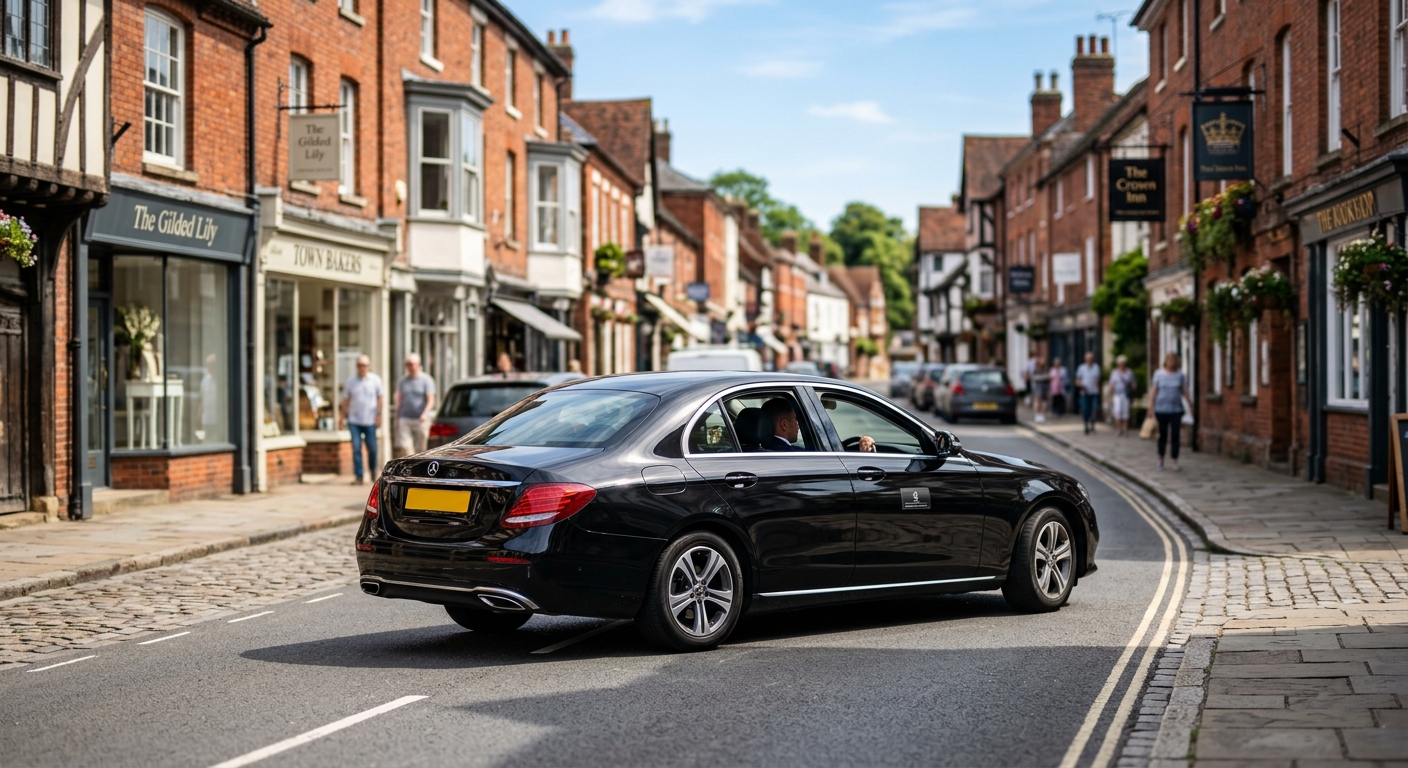

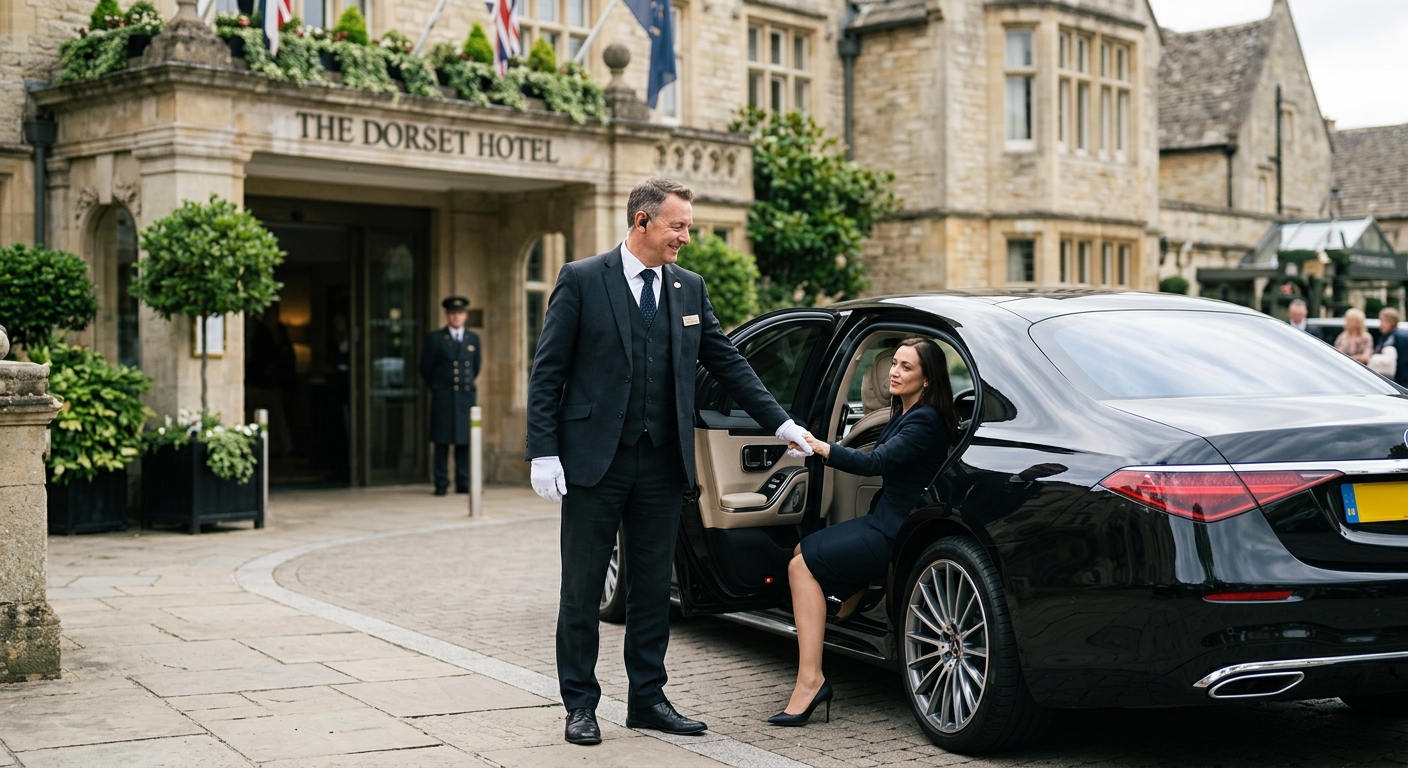
A Heathrow journey can look straightforward on a map, yet the M25, terminal layout, baggage collection and flight delays can quickly change the plan. This Heathrow transfer planning guide is designed for travellers from Crawley, Gatwick, Horley, Copthorne, Charlwood and surrounding areas who want a dependable car waiting at the right time, with the fare agreed before they travel.
Whether you are leaving for a holiday, collecting family after a long flight or travelling for business, the key is to plan the transfer around the parts of the journey that can move - traffic, terminal, flight status and luggage - rather than relying on a rough estimate.
Start with the right Heathrow terminal
Heathrow has four operating passenger terminals: Terminal 2, Terminal 3, Terminal 4 and Terminal 5. Your airline booking should show the terminal, but check again shortly before travel. Airlines can occasionally alter operational arrangements, and arriving at the wrong terminal adds unnecessary pressure to an already time-sensitive journey.
For departures, give your driver the terminal number and airline when booking. This allows the route and drop-off point to be planned correctly. It is particularly useful if you are travelling with children, bulky luggage, a wheelchair or extra hand luggage, as a little more time may be needed at the terminal entrance.
For arrivals, confirm the terminal and provide your flight number. A professional airport transfer should be planned around the flight rather than a fixed clock time. Live flight monitoring helps the driver adjust for an early landing or delay, so you are not left trying to rearrange transport while standing in arrivals.
Decide when to leave Crawley or Gatwick
The journey between the Gatwick area and Heathrow is often quoted at around 45 to 60 minutes in light traffic. That figure is useful only as a starting point. The M25 is one of the country’s busiest motorways, and congestion, roadworks, incidents and weather can all add time.
For most Heathrow departures, plan to arrive at the terminal at least two hours before a short-haul flight and around three hours before a long-haul flight. Your airline may recommend more time at busy periods, so follow its guidance first. Then work backwards from your required airport arrival time, adding a realistic traffic allowance and a few minutes for loading bags.
Early morning flights need special thought. Roads may be quieter, but airport check-in and security can still be busy, and public transport alternatives are less convenient. A pre-booked 24/7 private hire car gives you a definite collection time from your home, hotel or office rather than leaving the first part of your trip to chance.
It also pays to consider your collection point. A house in RH10 or RH11 is simple, while a flat, hotel, business park or rural address near Charlwood may need clearer instructions. Share the full address, postcode, mobile number and any gate or reception details when you book.
Book a vehicle that fits the journey
The cheapest-looking option is not always the most suitable one. A standard saloon may work well for one or two people with modest cases, but a family of four, golf bags, a pushchair or several large suitcases may need an estate car, people carrier or larger vehicle.
Be honest about luggage. Cabin bags, check-in cases, skis, instruments and folded pushchairs all take space. If you are unsure, describe what you are bringing rather than guessing. The right vehicle prevents an uncomfortable journey or a last-minute problem at collection.
Accessibility and special requirements should be raised at booking, not on the day. Passengers who need a wheelchair-accessible taxi, extra boarding time, assistance with luggage, child seats or a pet-friendly journey can be accommodated far more reliably when the operator has notice. For families, confirm who is supplying child seats and whether they are appropriate for the children travelling.
Choose fixed pricing over uncertainty
A Heathrow transfer should not come with a surprise fare at the end. Ask for a fixed price before confirming the booking and check what it covers. This matters on a route where traffic can vary considerably. A fixed fare gives families and business travellers a clear cost from the outset, rather than leaving the final price dependent on how long the M25 takes.