
Landing at Gatwick after a long flight is rarely the moment you want to start figuring out where to stand, who to call, or whether your driver has seen the delay. That is exactly why people ask how meet and greet works. For airport transfers, it is a simple service built to remove guesswork at the point when most passengers are tired, carrying luggage, travelling with children, or working to a tight schedule.
At its most practical, meet and greet means your driver does not wait in a nearby car park for you to ring when you are ready. Instead, they come into the arrivals area, track your flight, and meet you inside the terminal at an agreed pickup point. You are collected in person, helped through the final part of the airport process, and then escorted to your vehicle.
For many travellers around Crawley, Horley, Charlwood, Copthorne and the wider Gatwick area, that extra support is less of a luxury and more of a useful safeguard. It helps if you are arriving late at night, if this is your first time using a private hire airport transfer, or if you simply want the handover from airport to car to be straightforward.
How meet and greet works from arrival to pickup
The process usually starts before your plane leaves the ground. When you pre-book an airport transfer, the operator takes your flight number, arrival airport, terminal, destination, and contact details. That flight number matters because it allows the journey to be monitored in real time.
If your flight arrives early, the booking can be adjusted. If it is delayed, the driver can time their terminal entry more accurately. This is one of the main differences between a standard pickup and a proper airport meet-and-greet service. The driver is not relying only on the original landing time. They are working from live flight information.
Once your flight has landed, you still need to disembark, pass through border control if required, and collect your luggage. That means the actual meeting time is not the same as touchdown time. A reliable operator plans for that gap rather than assuming you will be at the kerb within minutes.
When you enter arrivals, your driver is typically waiting in a clear, agreed location with your name displayed. That might be on a printed board or held on a device, depending on the service. The point is simple - you should be able to identify your driver quickly without making several calls or walking around the terminal trying to match number plates.
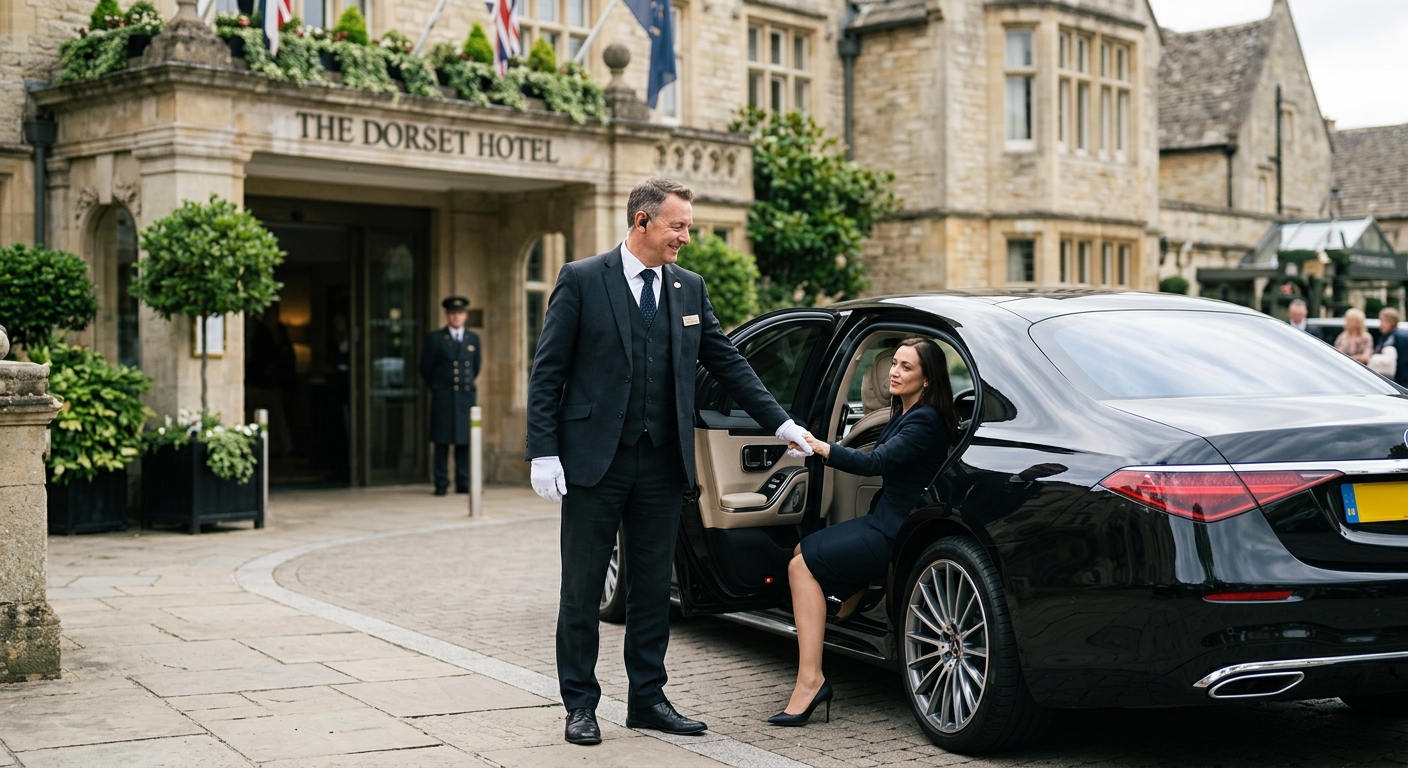
After meeting you, the driver will usually help with luggage and guide you to the vehicle. At that point, the airport part of the journey is effectively done. You are not left trying to work out short stay parking zones, pickup bays, or where private hire vehicles are permitted to stop.
Why meet and greet matters more than a standard airport pickup
For some passengers, a call-on-arrival pickup is perfectly fine. If you travel often, pack light, and know Gatwick well, you may be happy to ring once you are outside. But that is not the best fit for everyone.
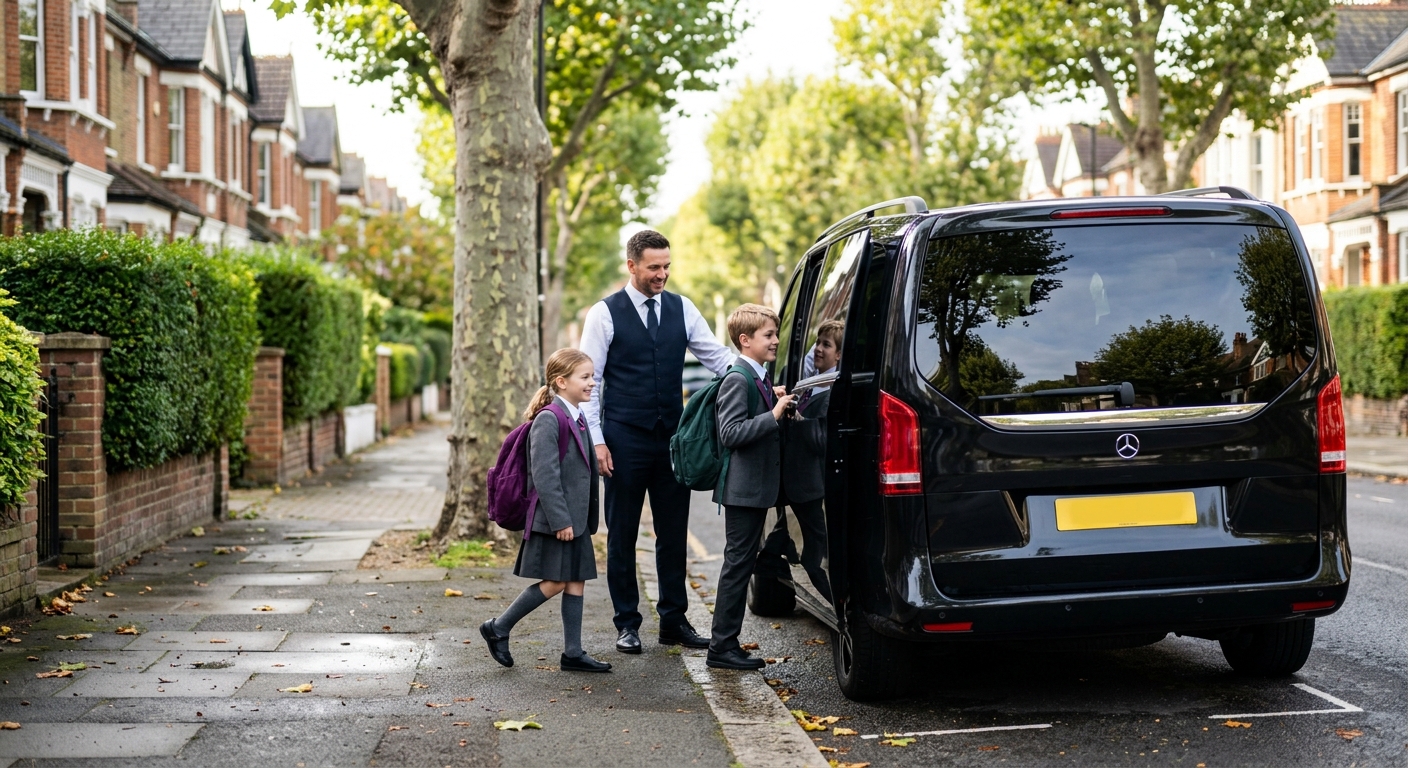
Meet and greet is especially useful for families with pushchairs, older passengers, business travellers on a schedule, and anyone arriving with several cases. It is also a better option when the passenger is unfamiliar with the airport or arriving after a long-haul flight. The service cuts out a lot of small points of friction that become more noticeable when you are tired.
There is also a safety and reassurance factor. You know who is meeting you, the driver knows who they are collecting, and the handover happens in a controlled, public airport setting. That can be particularly helpful for solo travellers, young adults returning home, and relatives arranging transport for someone else.
How meet and greet works when flights are delayed
This is the part many passengers worry about. They assume a delay means missed collection, rushed calls, or extra waiting charges from the moment the original flight time passes. In practice, it depends on how the booking is managed.
A professional airport transfer service should use live flight monitoring and adjust the driver dispatch accordingly. If your aircraft is delayed on departure or circles before landing, that information should feed into the pickup plan. The goal is not to have a driver standing in arrivals for hours. The goal is to time their entry so they are ready when you actually emerge.
There can still be limits. Very long delays, diversions, terminal changes, or passengers held up unusually long at baggage reclaim can affect timing. But the presence of flight tracking makes the process far more dependable than a basic booking with no live monitoring.