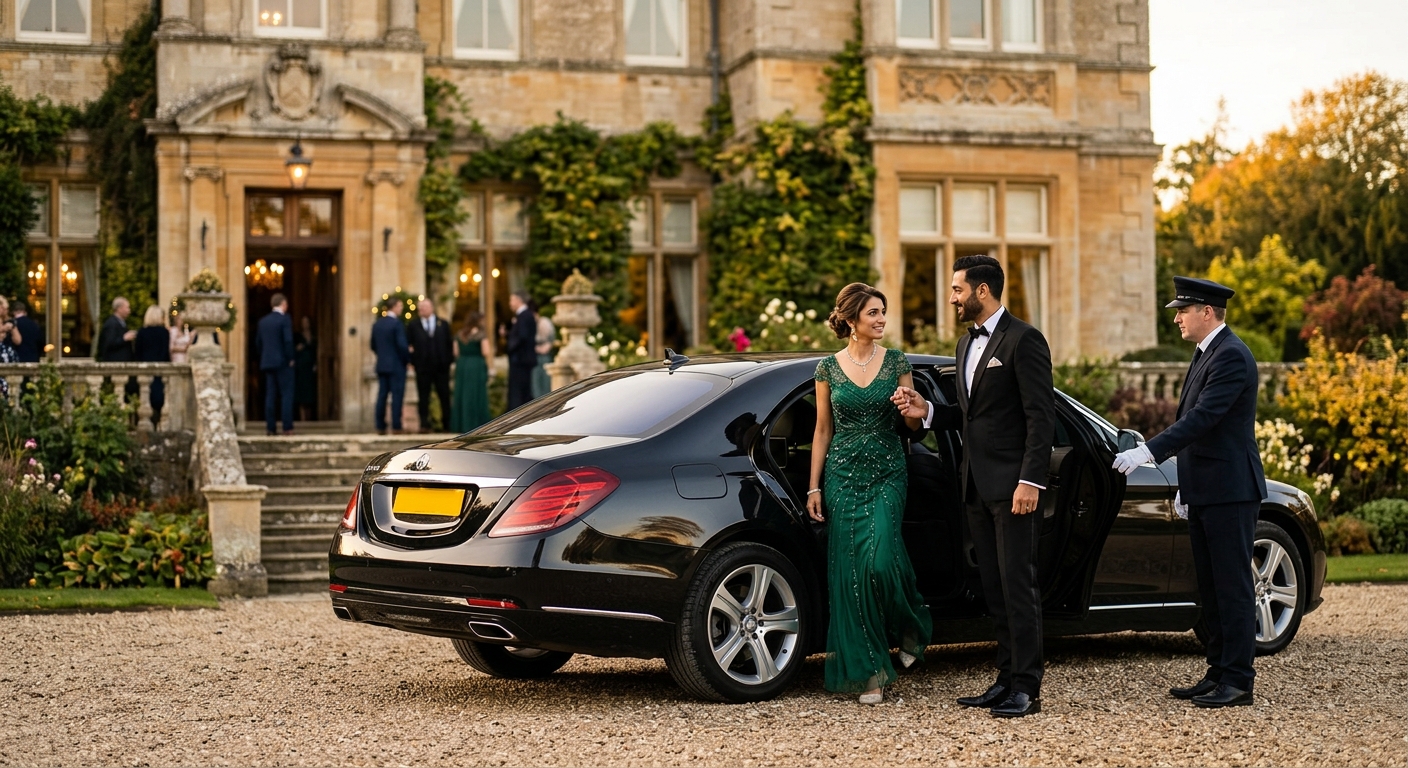

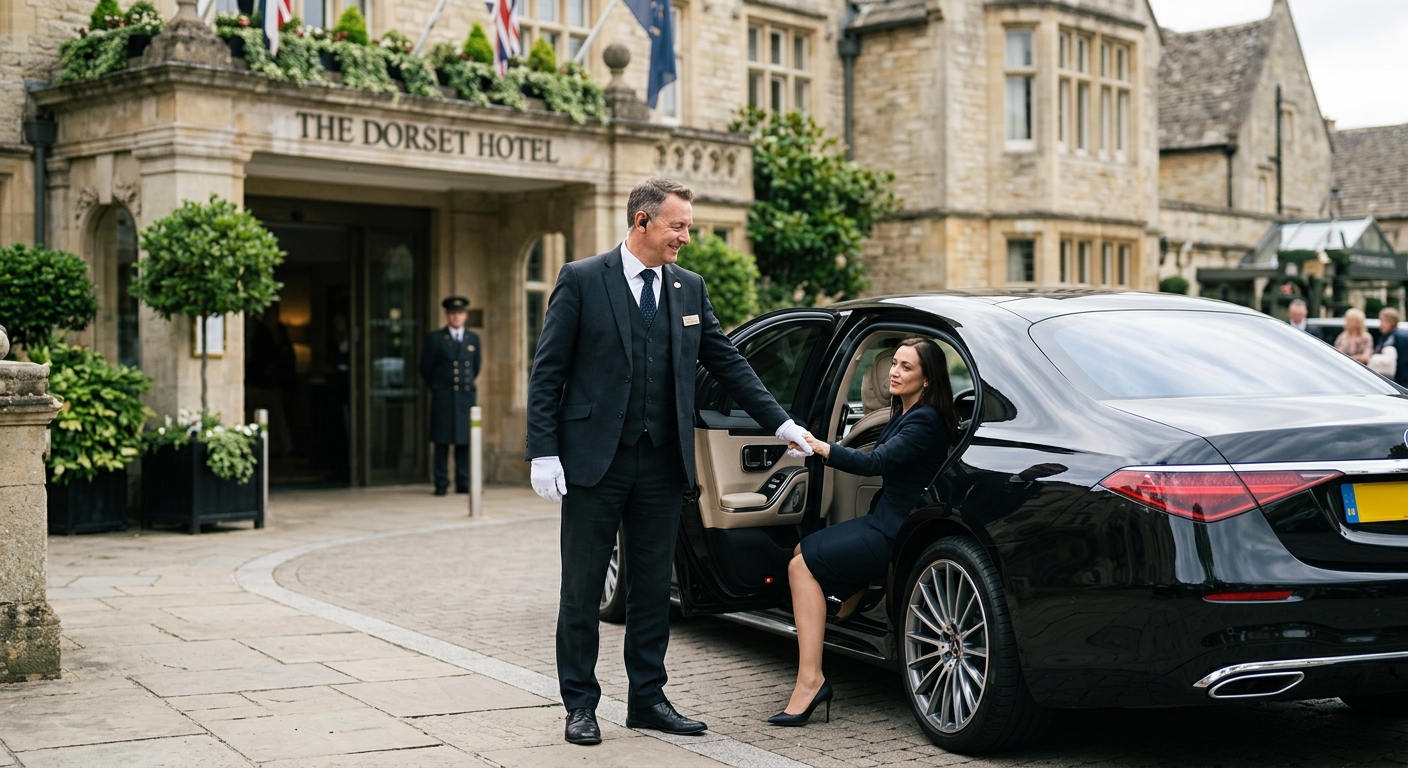
A delayed driver, an unclear pickup point or a last-minute fare change can put an entire business day under pressure. When you arrange executive travel plans, the objective is not simply to book a car. It is to make sure the journey is punctual, comfortable, clearly priced and properly managed from the first pickup to the final drop-off.
For businesses in Crawley, Horley, Copthorne, Charlwood and the wider Gatwick area, reliable ground transport matters whether the passenger is travelling to a board meeting in London, catching an early flight from Gatwick or collecting an important client from Heathrow.
How to Arrange Executive Travel Plans Without Gaps
Good executive travel starts with the full itinerary, not only the departure time. A professional driver needs the collection address, passenger contact details, flight or train information where relevant, destination, number of passengers and luggage requirements. These details allow the journey to be planned properly and help avoid calls and confusion on the day.
For airport travel, build in realistic time for traffic, check-in, security and the route into the terminal. A journey from Crawley or RH10 to Gatwick may be short, but early-morning congestion, roadworks or an unfamiliar terminal can still affect timing. For Heathrow, London City, Luton and Stansted, the route and departure allowance need even more careful consideration.
It is also worth deciding who has authority to make changes. In a busy office, travel details are often passed between an assistant, a traveller and a manager. One named booking contact makes amendments easier to manage, particularly if a meeting overruns or a return flight changes.
Confirm the journey details in writing
Before the day of travel, make sure the booking confirmation states the collection time, addresses, flight number where applicable, vehicle requirement and agreed fare. This is particularly useful for multi-stop itineraries, client collections and journeys booked on behalf of visiting colleagues.
A fixed fare provides certainty for budgeting and expenses. However, it is sensible to ask what happens if the itinerary changes, extra waiting time is needed or an additional stop is added. Clear terms are better than assumptions, especially where several people are involved in arranging the journey.
Choose the Right Executive Vehicle and Service Level
Executive travel is not one-size-fits-all. A single traveller with a laptop bag has different needs from a team travelling with presentation equipment, sample cases or airport luggage. Booking the right vehicle means the passenger can travel comfortably without compromising on space or punctuality.
A standard executive saloon is often suitable for one to three business passengers and smaller luggage loads. An estate or larger people carrier may be the better choice for airport trips, groups or passengers carrying more than cabin luggage. If the journey involves a client, consider the impression created at both collection and arrival. A clean, well-presented vehicle and a courteous driver support a professional schedule.
Accessibility should be discussed at the booking stage too. A passenger who uses a wheelchair, has reduced mobility or needs extra assistance should not have to explain their requirements repeatedly on the day. Giving the transport provider advance notice allows the appropriate vehicle and support to be arranged.
Build Airport Transfers Around Live Flight Information
Airport journeys need a different level of planning because flight times can change without warning. For an outbound trip, the driver should collect the passenger with enough time to reach the correct terminal calmly. For arrivals, flight monitoring is particularly valuable because it allows the pickup to follow the actual landing time rather than the original timetable.
Meet-and-greet support can make arrivals easier for executives, overseas visitors and first-time passengers at Gatwick. Instead of trying to locate a driver in a busy airport forecourt, the passenger has a clear meeting arrangement and help with luggage where needed. This is also useful when an employee is arranging travel for a senior colleague or client they cannot meet personally.
Flight tracking does not remove every variable. Border control, baggage reclaim and airport congestion can affect the time it takes to reach the meeting point. The best approach is to provide a mobile number, keep it switched on after landing and agree the meeting instructions before the flight departs.
Plan for the Journey Around the Journey
Executive transport works best when it accounts for what happens before and after the car trip. A passenger heading to a conference may need collection from home, a stop at the office and then onward travel to Gatwick. A visiting client might require pickup at the airport, transfer to a hotel in Crawley and a later journey to a meeting in Surrey or central London.