
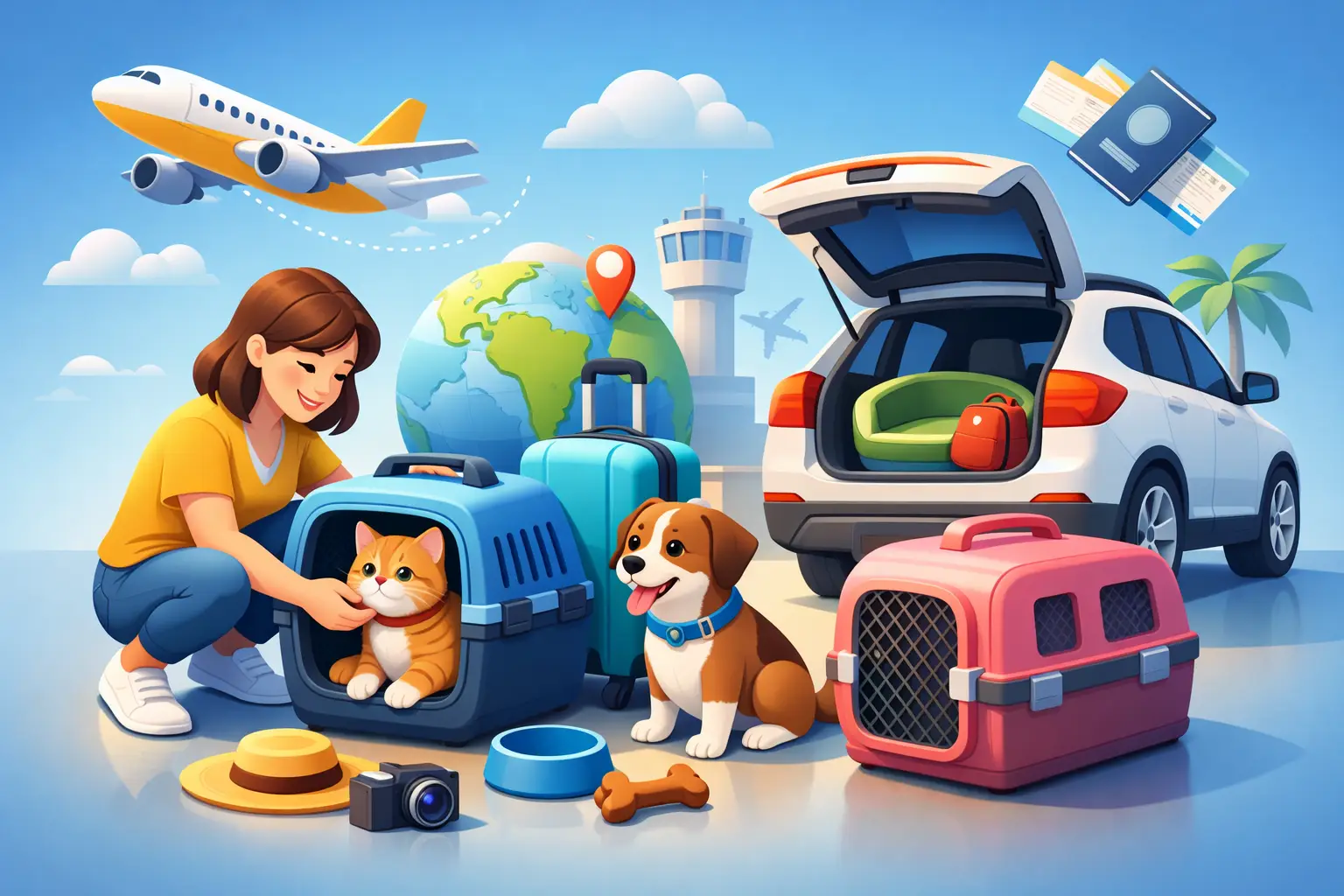
A pet that refuses the carrier at the front door can throw off your whole journey before it has even started. If you are working out how to travel with pets, the biggest difference is usually not luck. It is preparation, timing, and choosing transport that suits both you and the animal.
For families heading to Gatwick, for local residents travelling across Crawley, Horley or nearby villages, and for anyone facing an early airport run, pet travel tends to go wrong for predictable reasons. The crate is too small, paperwork is checked too late, feeding is mistimed, or the journey includes too many changes. A calmer trip usually comes from reducing unknowns.
How to travel with pets starts before the day of travel
Most pet travel problems begin well before departure. Owners often focus on the flight, train or hotel booking and leave the practical side until the last minute. That is when small oversights become expensive or stressful.
Start with the rules for your exact journey. A short taxi transfer around Crawley is one thing. A longer airport transfer to Gatwick or Heathrow is another. International travel adds a different layer again, with carrier requirements, vaccination rules, microchip checks and possible treatment deadlines. Even within the UK, different transport providers have different pet policies, so never assume one company works the same way as another.
Your pet's temperament matters just as much as the route. Some dogs settle as soon as the vehicle starts moving. Others become vocal, anxious or sick. Cats often dislike unfamiliar movement and noise, even on short journeys. Older pets, very young animals and rescue pets may need more time to adjust. A journey that looks simple on paper may still be a poor fit if your pet cannot cope with crowds, long waits or extended time in a carrier.
If you are unsure, speak to your vet in advance. That is especially sensible if your pet has a medical condition, a history of travel sickness or signs of severe anxiety. Sedation is not always recommended, particularly for air travel, so this is not something to guess.
Choose the right transport, not just the cheapest option
When people think about pet travel, they often focus on the longest part of the trip and forget the first leg. Yet getting from home to the airport, station or hotel is often where stress peaks. Rushing for parking, carrying luggage, managing a lead or crate, and keeping your pet settled in a busy public space can be harder than the onward journey itself.
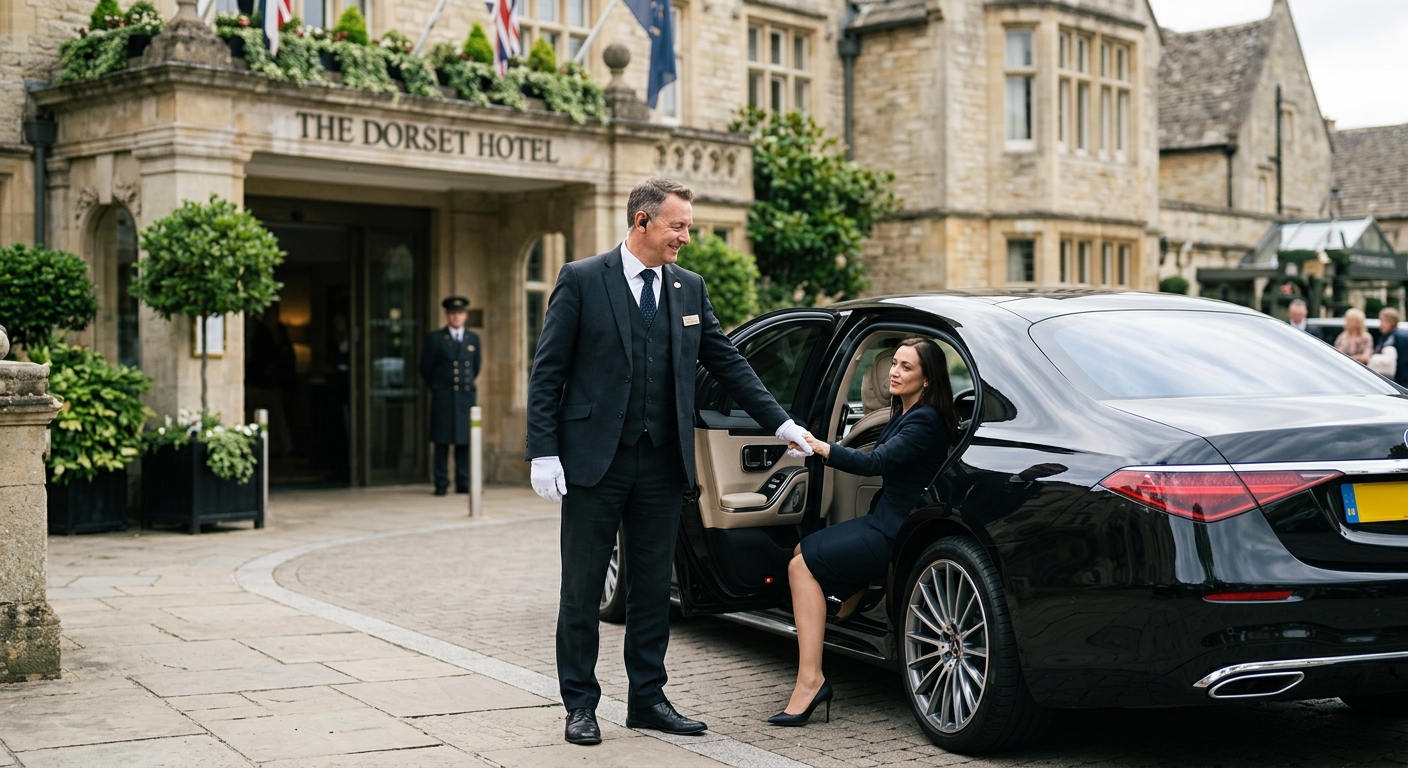
A pre-booked pet-friendly taxi is often the simplest option because it removes multiple points of friction. You know the pickup time, the fare is agreed in advance, and there is enough room to travel with carriers, bedding and luggage without trying to manage everything on a train platform or shuttle bus. If you are travelling to Gatwick with an early flight or after a long return, that extra certainty matters.
This is where local knowledge helps. A driver who knows the Crawley and Gatwick corridor well can avoid unnecessary delays, understand the best drop-off points, and give you a smoother start when you are already managing an animal as well as your bags. For many pet owners, dependable door-to-door transport is not a luxury. It is the part that keeps the rest of the journey on track.
Carrier, lead and restraint - get the basics right
The right setup depends on the type of pet and the length of the journey. Dogs may travel best with a secure harness restraint or in a crate, depending on size and temperament. Cats almost always travel better in a proper carrier, not loose in the vehicle and not in a makeshift bag that can fail under stress.
A good carrier should be well ventilated, secure and large enough for the pet to stand, turn and lie down comfortably if required for that journey type. For airport and airline travel, size rules can be strict, so measure carefully rather than estimating. For road journeys, comfort and stability matter just as much. A carrier that slides around on corners or sits in direct sun can make a calm animal distressed very quickly.
If your pet is not used to a crate or carrier, introduce it early. Leave it open at home with familiar bedding inside. Let your pet enter voluntarily. Short practice trips are far better than forcing a long journey as the first experience. This one step can make a major difference.
Pack for the animal, not just for yourself
Owners are usually organised with passports, chargers and travel money. Pet items are more easily forgotten because they are not part of your normal checklist. Then you arrive and realise the lead is in the hall, the food is in the kitchen, or the medication is still in the fridge.
Keep your pet's travel essentials together the night before. In most cases that means food, water, a bowl, waste bags, wipes, any medication, a lead or harness, bedding or a blanket, and identification details. If you are crossing borders or using regulated transport, documents should be checked well ahead of time and packed where you can reach them quickly.